about us
News Center
Your current location:Home - About us - News center
A manufacturer that only quotes a part number adds little value to a medical device project. A useful supplier reviews your 2D drawing and 3D model, checks the connector envelope against the housing, and flags mismatches before tooling or production. The supplier can compare contact position, mating direction, panel opening, and cable exit with the rest of the assembly. For medical imaging equipment or another compact electronic module, those checks reduce the chance of a late mechanical redesign. A rectangular connector supplier with real engineering support will ask about the assembly process, not just the catalog number.
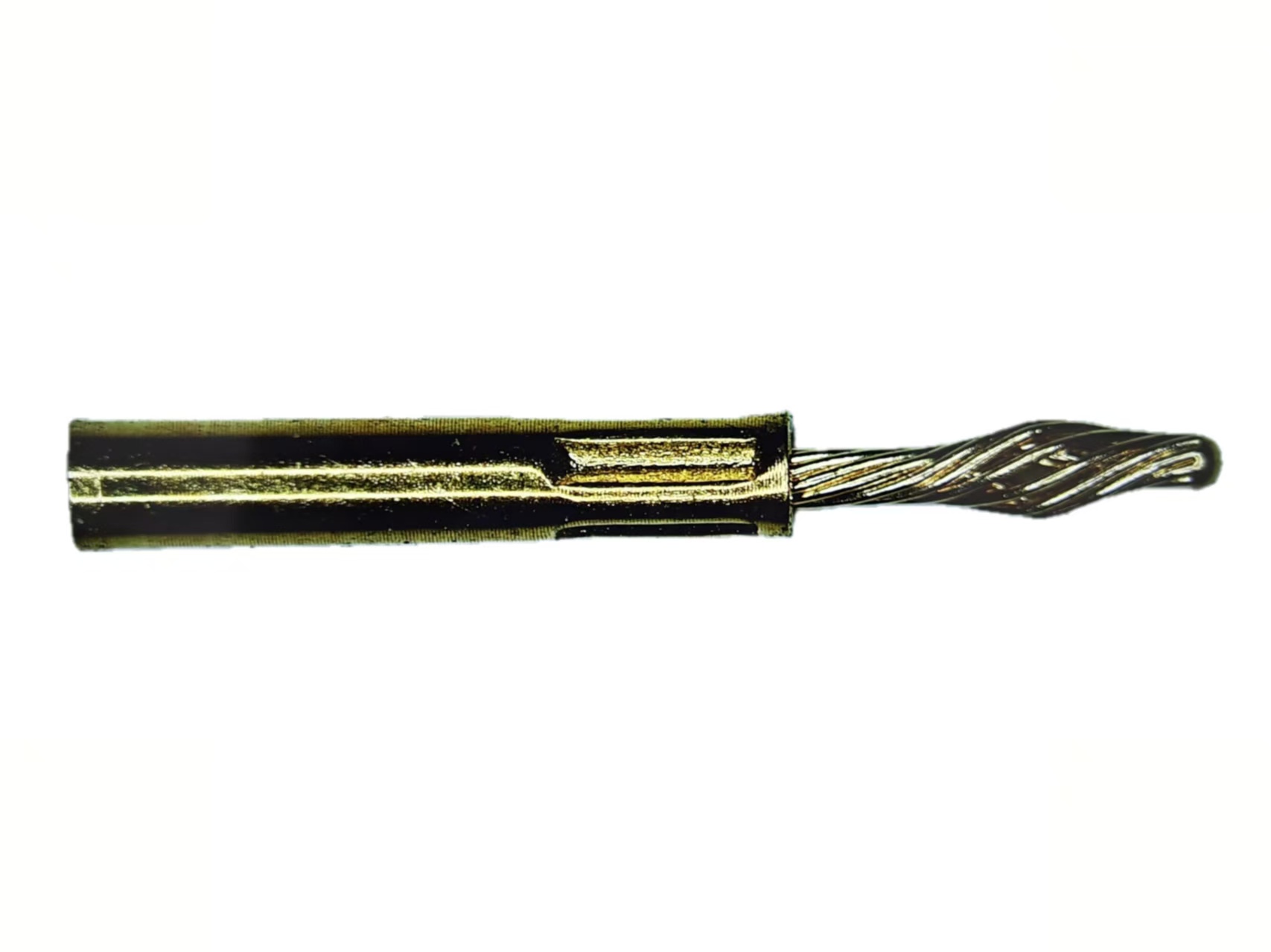
The duty cycle determines how much gold plating and which contact material make sense. A device mated once during assembly has different needs from a module disconnected for service, testing, or field replacement. For a light duty cycle, 0.8μm gold plating may be enough. For higher mating frequency or a more abrasive environment, 1.27μm or a custom gold thickness can improve wear resistance. C17200 beryllium copper wire keeps spring force stable, while the C2680 brass body provides a robust contact body. Laser-welded ends keep the twisted wire structure tidy, which matters when the contact must pass repeated mating and vibration checks. The effective plating and material set matches the expected number of cycles, the cleaning process, and the mechanical stress in the device rather than defaulting to the thickest option available.
Sampling turns the drawing into a real decision. The supplier should provide samples that let your team check three things: fit, separation force, and contact resistance. Fit confirms the 0.68mm twist pin and 0.92mm mating contact sit correctly in the housing and align with the mating half. Separation force should fall within 0.25N to 0.8N so the connector stays engaged but can still be assembled without damage. Contact resistance should stay at or below 10mΩ, because a stable low-resistance path is the reason to choose a twist pin contact. If the project has vibration or shock targets, the sample discussion should also cover how the contact performs under those conditions. Your team can then compare the sample report with the drawing and decide whether to move to RFQ or request a revision.