How C2680 Brass and Gold Plating Complete the Contact Pair
Time:2026-10-15 11:15:44 Hits: 19
The C2680 brass pin body does
a different job from the C17200 needle wire. Brass is a copper-zinc alloy with
good formability, useful conductivity, and cost efficiency. In a twist pin
contact, the body provides the mechanical shape, the mounting geometry, and
part of the current path. It is not asked to behave like a fine elastic spring
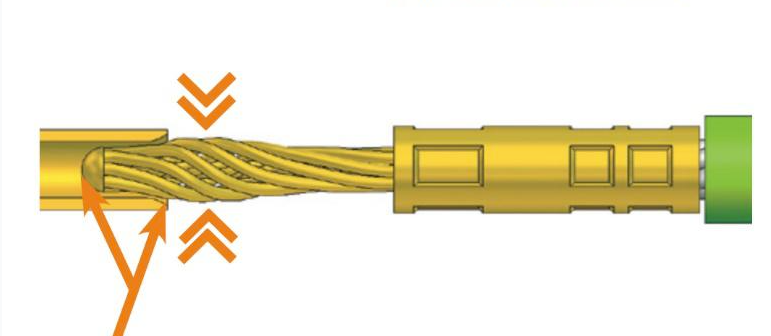
wire. The C17200 wire supplies the elastic, multi-point contact behavior. The
two materials work together, which is why replacing one with the other would
change the contact performance. The laser-welded ends also matter here: they
secure the wound wire structure so the strands stay in place instead of
spreading during handling or mating. Gold plating is the third part of the
material stack. The confirmed product information includes an 80 microinch
underplate and 50 microinch gold, with 0.8μm, 1.27μm, or custom gold thickness
options. The underplate acts as a barrier layer between the base metals and the
gold. The gold layer resists oxidation and helps maintain a low-resistance
interface. This is especially important for low-current or low-voltage signals,
where a thin oxide film can disturb the circuit. Gold thickness also affects
wear life. A thicker gold layer generally supports more mating cycles, but it
can change cost, insertion force, and process control. For engineers evaluating
a twist pin connector manufacturer or rectangular connector supplier, the
useful question is not only “Is it gold plated? ” but “What is the underplate,
what is the gold thickness, and how does that stack match the expected mating
cycles? ” The product data ties these choices to the ≤10mΩ contact resistance,
1A/3A/5A current options, and the -65°C to +125°C operating range.